Smith, Raymond Templeton (1888–1967)
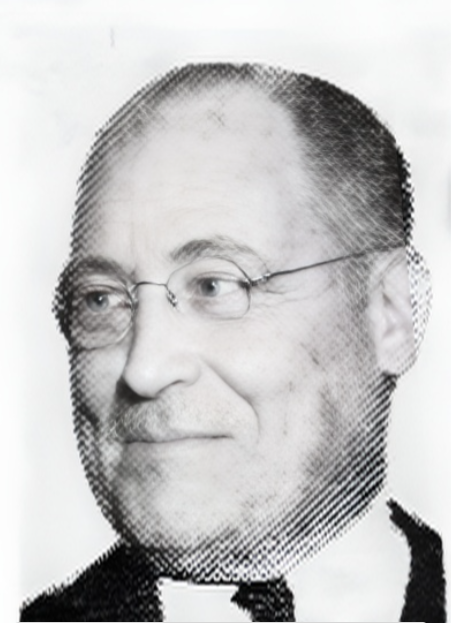
Early Life and Early Career Born in Pittsburgh in 1888, R. Templeton Smith grew up in a family prominent in mechanical engineering and industrial contracting. As the eldest son of the president of the McGinness–Smith Company, Templeton was almost certainly introduced early to the practical and managerial aspects of heating and ventilating engineering. The family firm’s prominence in installing major mechanical systems across the region likely provided him with early technical training, professional contacts, and business experience before he shifted into the coal industry.
Transition into the Coal Industry Templeton entered the coal industry in the years before the First World War, a move likely facilitated by senior industrial figures such as the engineer Julian Kennedy. By the 1920s he had become a leading executive in the bituminous coal field, serving as secretary-treasurer and general manager of the Portland Coal Company, the Ontario Gas Coal Company, and the Lower Gas Coal Company, supervising operations in Washington, Fayette, and Greene counties.
His administrative competence and skill in transportation logistics led to his election in 1926 as a vice president of the Pittsburg Coal Company, in a newly created position. Company president J. D. A. Morrow emphasized that his appointment did not signal a merger, underscoring instead that Templeton was brought in for specific executive responsibilities at a time of market instability.
Traffic Regulation and Rate Reform Smith became one of the region’s leading authorities on coal transportation. As chairman of the traffic committee of the Western Pennsylvania Coal Traffic Bureau, he shaped discussions on rate structures, shipping efficiency, and rail-haul coordination. He submitted formal statements to the Senate Interstate Commerce Committee during federal investigations of freight practices, arguing that prosperity in the coal industry depended on a scientific freight-rate structure tied to service rendered and terminal conditions. His testimony warned against unnecessary long hauls and cross-hauls that distorted markets and contributed to unemployment. His outlook was deeply technocratic, blending commercial realism with a Progressive-era belief in rational regulation.
Stabilization Efforts with Gifford Pinchot Templeton was part of the operators’ committees formed in response to Governor Gifford Pinchot’s Bituminous Coal Survey of 1925–1926. These groups sought to stabilize local production, eliminate destructive price-cutting, and encourage more regular employment. Templeton supported the county-level committees proposed by the Survey and participated in the region-wide operator plan to encourage local work and reduce the wasteful competition that plagued the bituminous market.
Urban League Leadership and Civic Reform By 1930, Templeton also emerged as a significant civic leader in interracial labor reform. As president of the Pittsburgh Urban League, he helped direct the local branch’s response to unemployment and workplace discrimination. He worked with the Community Council, the Committee on Homeless Men, the Joint Committee on Social Crisis, and other civic organizations. He supported the National Urban League’s Vocational Opportunity Campaign of April 1930, planning radio addresses on KDKA and WCAE to highlight employment discrimination against African American workers. Under his leadership, the Pittsburgh branch organized a “Citizens Committee” to present coordinated appeals to Rotary, Kiwanis, and Hungry Clubs, the largest employers’ groups in the city. This dimension of Smith’s career places him firmly in the interracial reform network of the interwar period.