Townsend, William Effingham (1840–1917)
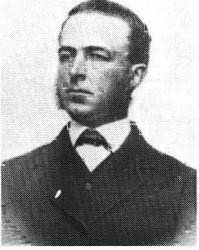
Family Background and Early Life William Effingham Townsend was born in 1840 into one of the most enduring branches of the Oyster Bay Townsends. His father, Joseph Lawrence Townsend, carried forward the family’s long connection with the mercantile and agricultural life of Long Island, and his mother, Hannah Witson, descended from Quaker stock. Through both parents, William was part of the intricate web of interrelated Townsend, Lawrence, and Willets families that shaped Quaker and civic society in nineteenth-century Long Island.
Marriage and Family Life In 1870 he married Gertrude Tredwell, who traced her ancestry to John and Priscilla Alden of the Mayflower. Their daughter, Gertrude Tredwell Townsend, was born in 1877, but tragedy struck soon after: Gertrude died only nine days later, leaving William a widower with an infant child.
For seven years William raised his daughter alone until his marriage on November 26, 1884, to Anna Pearsall Willets, from another venerable Quaker family of Long Island. On the wedding day, the seven-year-old Gertrude presented her new stepmother with a small white porcelain dish as a token of affection. After Anna’s death more than thirty years later, the dish was returned to Gertrude, a cherished symbol of family continuity and affection.
Gertrude remembered her stepmother with particular tenderness: “She could mend a tear in a little girl’s best dress so that you would never know that it had happened, and she wouldn’t scold, even though you were told not to climb fences when you were all dressed up.” Such recollections suggest the warmth and gentleness that characterized life within the household.
Occupation and Estate William Townsend operated a large and successful farm at Westbury, Long Island, maintaining it according to the advanced agricultural practices of the day. His property included the Townsend Homestead, a different residence from the Townsend Homestead–Raynham Hall at Oyster Bay (see Houses and Estates). The Westbury house served as both a productive farmstead and a family seat, reflecting the quiet prosperity of the Townsends during the later nineteenth century.
Later Life and Legacy William Effingham Townsend lived to see profound changes on Long Island, as rural farmland began to give way to the suburban estates of the Gilded Age. Through his stewardship of the family farm and his maintenance of long-standing community ties, he preserved a way of life rooted in simplicity, self-sufficiency, and continuity.
He died in 1917, the same year as his wife Anna, closing a life that had bridged the agrarian world of early Long Island and the modern age that succeeded it. His descendants continued to live in the area for several generations, linking the name of Townsend with the enduring landscape of Westbury and Oyster Bay.