Lawrence, Effingham (1735/34–1806)
Captain
Parents: Richard Lawrence (1691–1781) and Hannah Bowne (1697–1748). Spouse: Catharine Farmer (1752–1806). Children: William Effingham Lawrence (1781–1841), John Curson Lawrence (1783–1791), Effingham Calvert Lawrence (1785–1837), Catharine Maria Lawrence (1768–1839), and Edward Billop Lawrence (1790–1861). Kinship: Fifth great-granduncle of the post–World War II Smith generation.
Early Life and Maritime Career Effingham Lawrence was born in 1735/34, the third son of Richard Lawrence of Flushing, Long Island, a descendant of William Lawrence, the seventeenth-century settler. He entered maritime service at a young age. His early voyages were typical of New York masters of the period, carrying goods and passengers between New York, the West Indies, and London. In 1761, having recently commanded the brigantine Audrey, he was travelling as a passenger when the vessel was taken by a privateer from Bayonne. The same privateer captured another ship carrying corn from London to Lisbon; its captain ransomed the vessel, and Lawrence and the other passengers transferred to it and continued on to Lisbon.
By 1770 he had become the first captain of the Earl of Dunmore, a newly built and well-appointed New York packet ship for transatlantic service. In that year he conveyed General Thomas Gage, the newly appointed Commander-in-Chief in North America (and later military governor of Massachusetts), and his family to London. His career placed him at the intersection of colonial New York’s maritime commerce and the wider imperial naval world of the later eighteenth century.
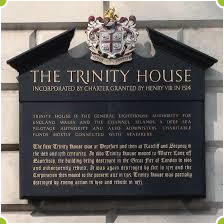
Move to London and Trinity House Effingham settled in London and continued his maritime career there. In 1796 he became a member of the Elder Brethren of Trinity House. Trinity House, formally the Corporation of Trinity House of Deptford Strond, is the historic English maritime authority responsible for the regulation of pilots, the safety of navigation, the maintenance of lighthouses and beacons, and the oversight of seafarers. Membership among the Elder Brethren was, and remains, a distinction reserved for experienced and respected naval and maritime figures, including admirals, captains, and senior officials. His career, beginning under the British colonial flag in New York and ending with distinction in the heart of Britain’s maritime establishment, illustrates the continued transatlantic ties of certain colonial American families even after the Revolution.
Effingham Lawrence died in 1806.