Islecote House
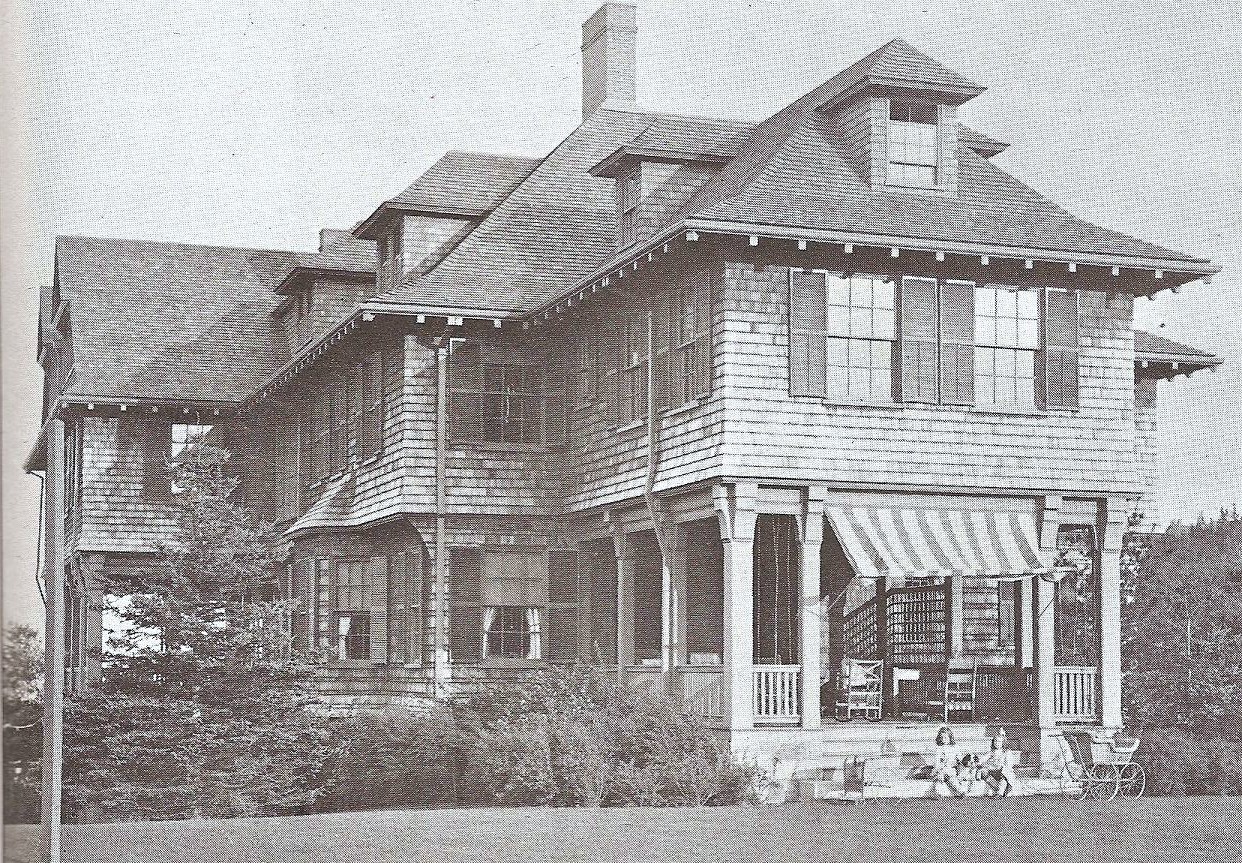
Architect
Alexander Wadsworth Longfellow Jr. (1854–1934), affectionately known as "Waddy," was a prominent American architect based in Boston and the nephew of the renowned poet Henry Wadsworth Longfellow. Born on August 18, 1854, in Portland, Maine, to Alexander Wadsworth Longfellow Sr. (the poet's brother) and Elizabeth Porter Longfellow, he grew up immersed in a family legacy of intellectual and artistic achievement. After graduating from Harvard University in 1876, he pursued architectural training at the Massachusetts Institute of Technology before studying at the prestigious École des Beaux-Arts in Paris, where he honed his skills under influential mentors and absorbed European styles, particularly French Romanesque. Upon returning to the United States, Longfellow became a leading figure in the Romanesque Revival and Shingle Style movements, designing numerous grand summer "cottages" along the Maine coast—including works in Bar Harbor such as Islecote House—as well as institutional buildings, residences, and civic structures in Boston and beyond. He co-founded the Boston Society of Architects and practiced independently or in partnerships, blending picturesque, site-sensitive designs with high craftsmanship using local materials like shingles and granite.
Architectural Description
Spanning over 20,000 square feet, Islecote measured approximately 45 by 127 feet and was oriented east-west with its front facing south. The design was irregular and picturesque, featuring a four-story structure (including basement and attic) with an overhanging second story. The first floor used local pink granite ashlar with warm, varied colors and large joints for a rustic yet elegant base, while upper levels incorporated half-timbering, pebble-dash stucco, and shingles. A steep hip roof with multiple ridges and gables added to its dynamic silhouette. The house gained recognition shortly after completion, being featured in publications like The American Architect for its innovative blend of materials and style.
History
Islecote House was a notable summer cottage located on the Pointe d'Acadie estate in Bar Harbor, Maine, part of the larger Vanderbilt family holdings during the Gilded Age. Built in 1901-1902 by George Washington Vanderbilt II specifically for his niece, Louise Vanderbilt Shepard (married to William Jay Schieffelin), it served as a seasonal residence for the Schieffelin family.
The broader Pointe d'Acadie estate, originally known as Watersmeet, was constructed in 1868-1869 for Governor Morris Ogden before Vanderbilt acquired it in 1889. Vanderbilt renamed it Pointe d'Acadie and enlisted landscape architect Frederick Law Olmsted to enhance the grounds, adding winding roads, strategic tree plantings, a stone terrace with stairs leading to the main shingled residence, and even damming a small cove to form Bar Harbor's first naturalistic swimming pool. This transformed the property into a serene retreat overlooking Gilpatrick's Cove, aligning with the Vanderbilt family's preference for understated luxury in Bar Harbor compared to their more ostentatious Newport estates. Islecote was added as a secondary structure on the estate to accommodate family members, reflecting the era's trend of building "cottages" that were actually grand homes for the elite.
Ten horses were stabled there so the whole family could ride. One of Bar Harbor's favorite sights was the entire Schieffelin family riding out the gate on horseback, each young Schiefflin on a successively smaller horse, with the youngest bringing up the rear on a pony.
The Schieffelins used Islecote as their summer home, and it later saw notable tenants, including Madeleine Force Astor (widow of John Jacob Astor IV, who perished on the Titanic), who rented it briefly after initially staying at another nearby property. The estate as a whole was a hub for high society, though Bar Harbor's summer colony began declining in the early 20th century due to economic shifts and events like the 1947 fire that devastated much of the area.
Islecote was demolished in 1940, and the main Pointe d'Acadie house followed in 1952, as many such Gilded Age properties fell into disrepair or were subdivided amid changing tax laws and the Great Depression. Today, the site remains privately owned, with remnants of Olmsted's landscape design preserved, though no structures from the Vanderbilt era stand.