Breese, William Lawrence II (1882–1915)
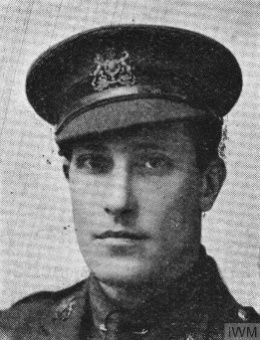
Early Life and Education
Born in New York City on February 24, 1882, William Lawrence Breese II was raised partly in England after his widowed mother’s marriage to Henry Vincent Higgins, solicitor and Covent Garden manager. Educated at Bengo, Harrow, and briefly at Trinity College, Cambridge, William moved easily between Anglo-American society.0
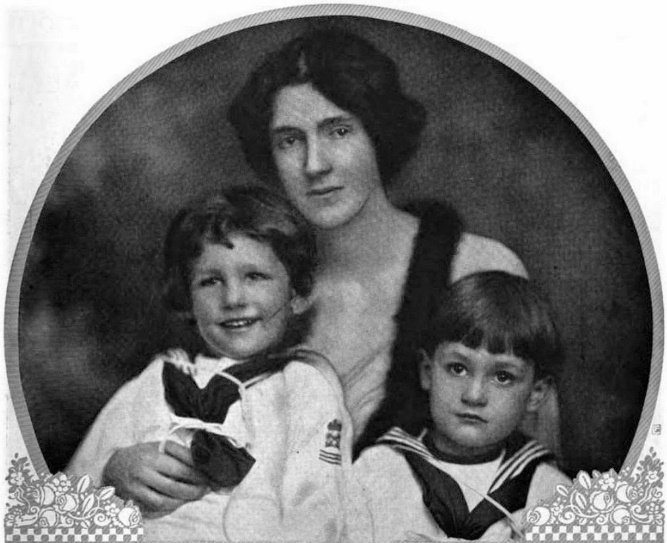
Julia Keen Fish
William II on left, Hnery on right
In 1909 he married Julia Kean Fish, daughter of Hamilton Fish Kean and granddaughter of Hamilton Fish (1808–1893), Governor of New York and U.S. Secretary of State under Ulysses S. Grant. The marriage allied the Breeses to one of the foremost families in American political history.
Diplomatic and Military Career
In 1913 William was appointed Secretary to the U.S. Ambassador to Great Britain, Walter Hines Page. When the United States passed the Neutrality Act, he resigned his post and in December 1914 took British citizenship in order to serve with the British Army—a symbolic and deeply personal act of loyalty to his adopted country during World War I.
Commissioned as Second Lieutenant, Royal Horse Guards (The Blues), he was soon attached to the Royal Engineers Experimental Section at St. Omer, France, assisting Lieutenant E. S. R. Adams in the development of the Stokes mortar, a new and vital weapon for trench warfare.
Death and Legacy
On March 14, 1915, during a weapons test at St. Omer, Breese was killed when a mortar exploded prematurely. At the court of inquiry, Adams attributed the accident to a defect in a component, though Breese was criticized for standing too close to the weapon despite prior warnings.
He was thirty-three years old. His widow, Julia, ordered his headstone to bear the inscription: “He gave his life a ransom for many.”
His sacrifice was later commemorated by his mother and siblings in family memorials in both England and America.